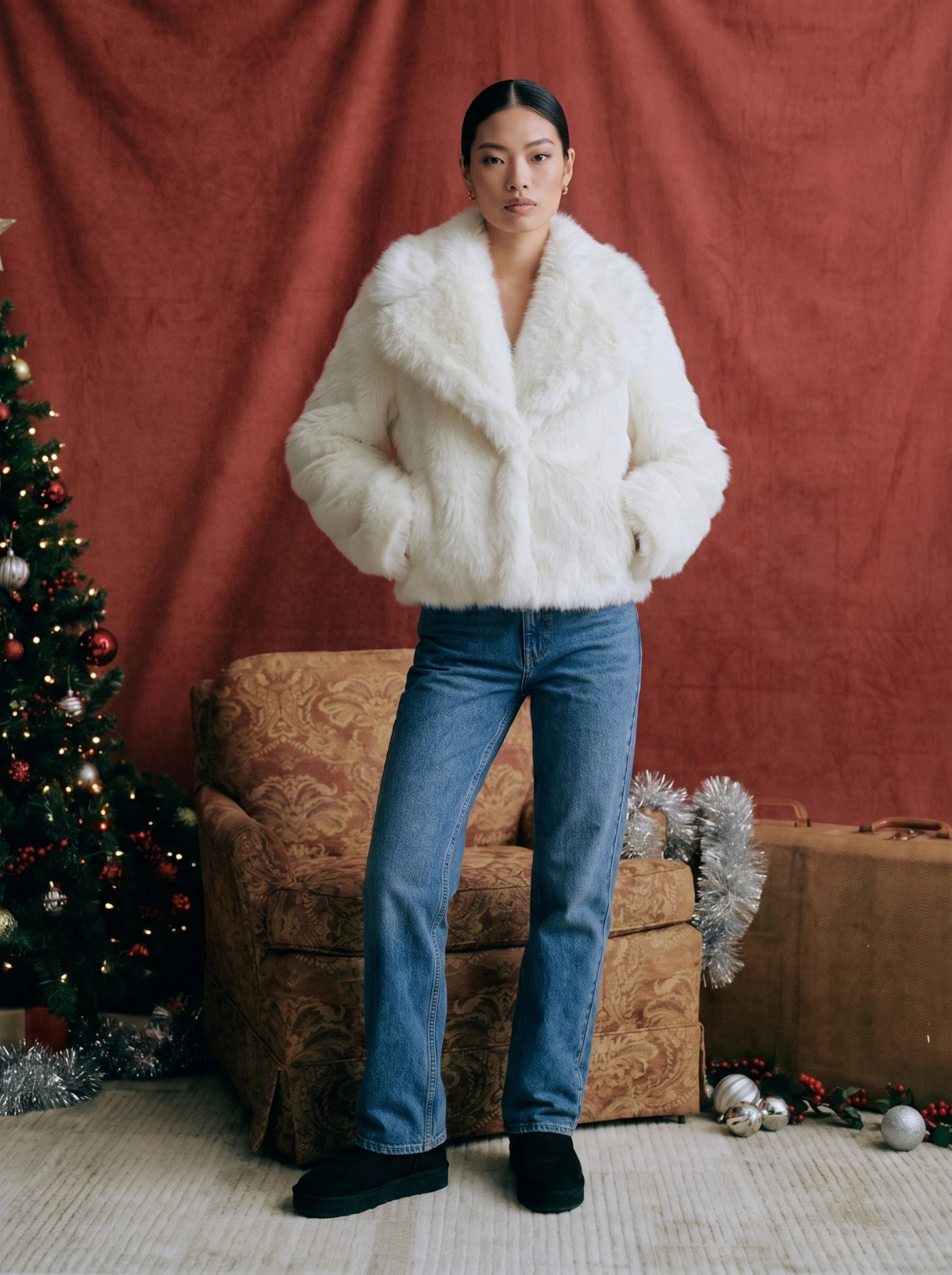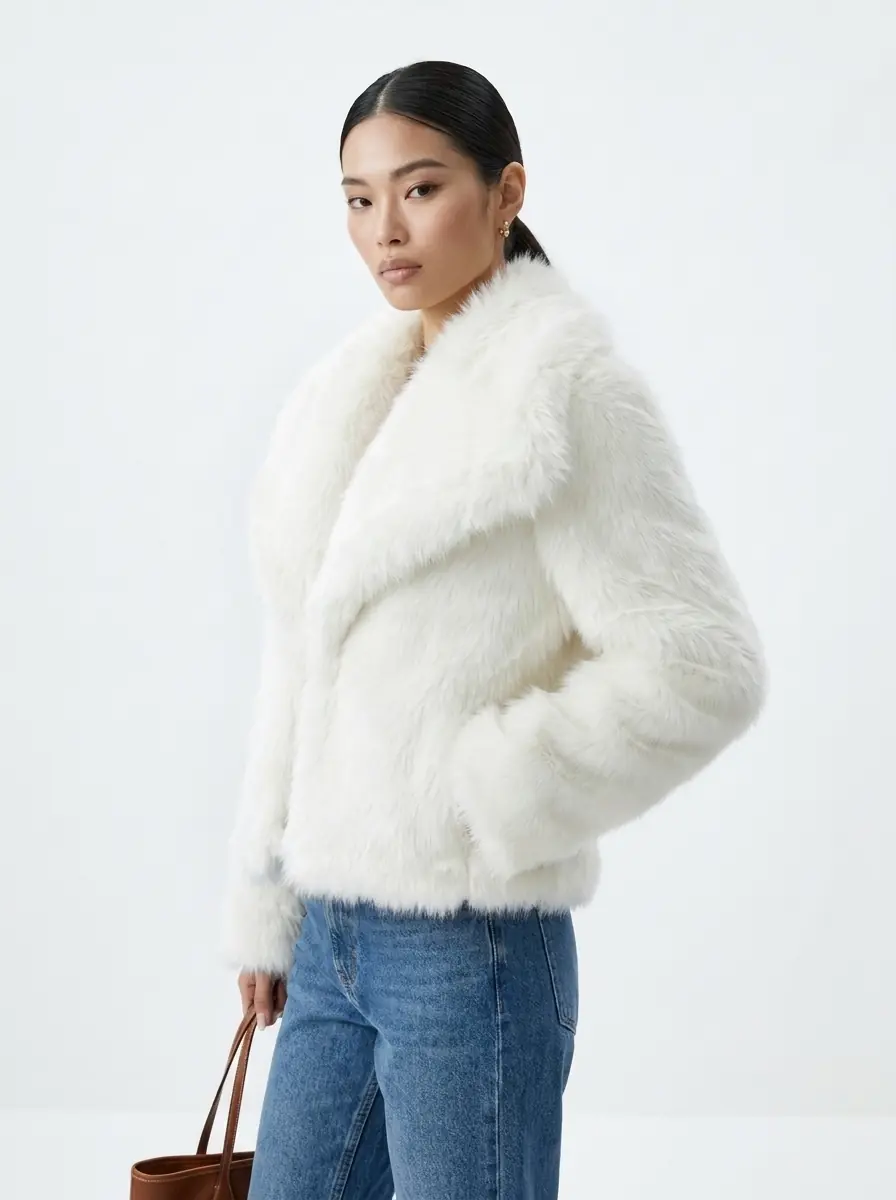
 On a petite frame, shoulder placement, sleeve length and the point where the hem lands can change the way a faux fur coat fits. Stanetco does not currently sell a dedicated petite range, so the safest starting point is a coat you already own and the garment measurements on the product page.
Petite sizing also varies from one retailer to another. Lands’ End builds its petite range around heights from 4 feet 11 inches to 5 feet 3 inches and scales areas such as the shoulders and sleeves. Anthropologie uses about 5 feet 4 inches and under as a general reference. Those ranges help explain the category, but the measurements of the coat in front of you matter more than the label.
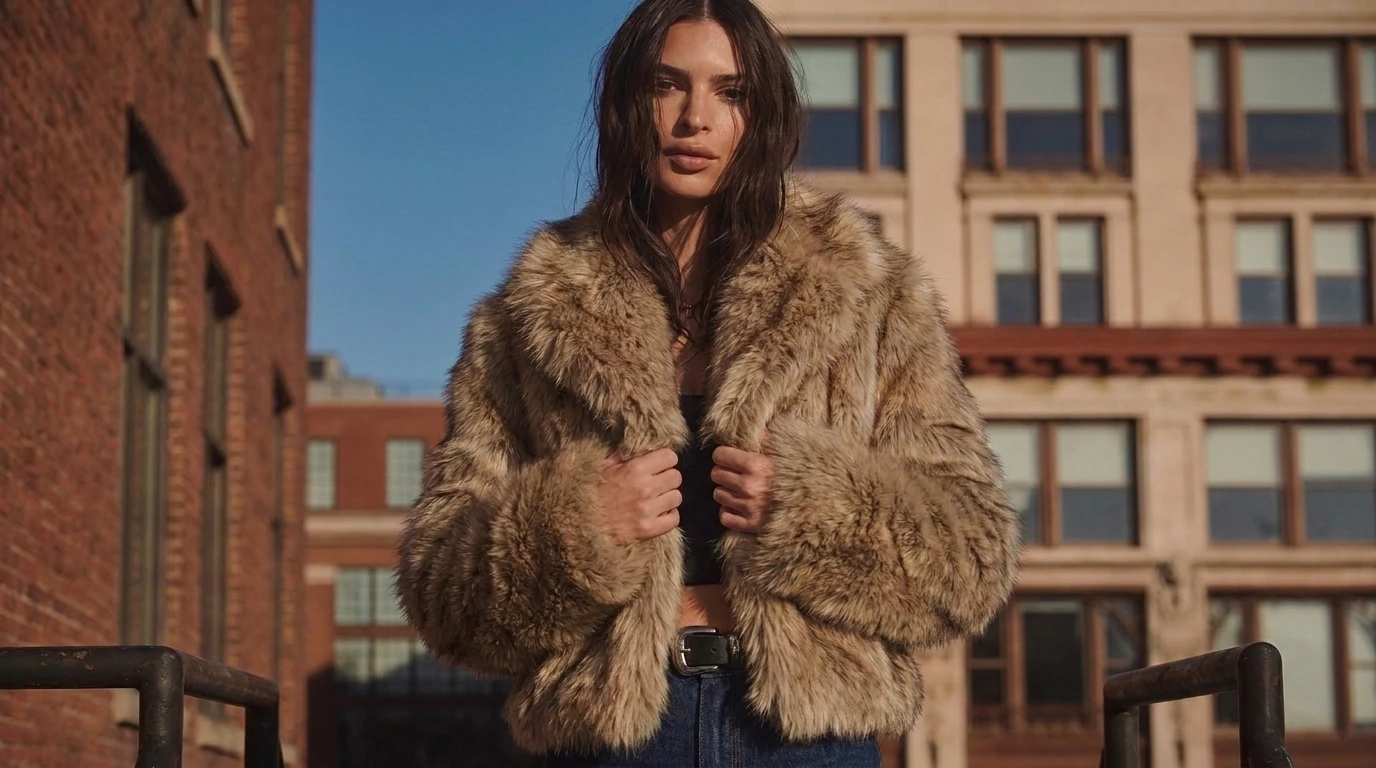 What petite sizing means for a coat
Petite clothing is made with shorter vertical proportions. Depending on the brand, that may affect the sleeve, torso, shoulder width, pocket placement and the point where the waist is shaped. A woman who wears a medium can need a petite medium. A woman who usually buys an extra small may still find that a regular extra small has sleeves or a body that run too long.
This distinction becomes easy to miss online. Product pages often place most of their attention on bust measurements, while sleeve and garment length sit farther down the size chart or disappear entirely. For outerwear, those missing numbers can determine whether the coat looks intentional once it arrives.
Stanetco does not currently present its coats as a dedicated petite range. Petite shoppers can still consider the available cropped and long silhouettes, but they should judge each coat by its listed measurements, shape and room for layers. A standard-size cropped jacket may work well on a shorter frame. It is still a standard-size jacket.
Start with a coat that already fits
Body measurements are useful, but a familiar coat gives you another reliable reference. Choose one that closes comfortably over the clothes you normally wear in winter. Lay it flat and measure across the chest, from shoulder seam to shoulder seam, down the sleeve and from the base of the collar to the hem.
Compare those numbers with the product measurements when they are available. Make sure both charts use the same method. A chest measurement taken across a flat garment is usually half of the full circumference. A body bust measurement goes all the way around. Mixing those two numbers can make a correct size chart look completely wrong.
Anthropologie’s size guide recommends measuring the fullest part of the bust while keeping the tape level across the shoulder blades. Keep the tape close without pulling it tight. When you measure for a coat, wear the sort of layer that will sit underneath it. A thin evening dress and a heavy sweater leave very different amounts of space inside the same jacket.
Check the shoulders before the hem
The shoulder area gives a quick read on fit. A tailored shoulder usually sits near the natural edge of the shoulder. A dropped-shoulder design is meant to fall lower, so the product cut has to be considered before judging it.
Raise your arms, reach forward and bring your hands together. The back should allow movement without pulling sharply across the shoulder blades. Sizing down to shorten the sleeves can create a tight upper back, especially when the coat has a lining and a thick faux fur exterior.
Some relaxed coats are designed with generous shoulders. That extra room should look consistent with the rest of the shape. If the collar slips backward, the sleeves cover most of the hands and the body twists when the coat is fastened, a smaller size or a different cut may work better.
Look at the sleeve in motion
A sleeve can appear correct while your arms are resting and feel short as soon as you move. Bend your elbows and reach forward before deciding. The cuff should still provide the coverage you want without swallowing the hand when your arms drop again.
Altering a lined faux fur sleeve may require more work than hemming an unlined coat. The pile, lining and cuff construction all have to be finished cleanly. If sleeve length is often a problem for you, treat it as a deciding measurement rather than something you will automatically fix later.
Cropped coats and petite proportions
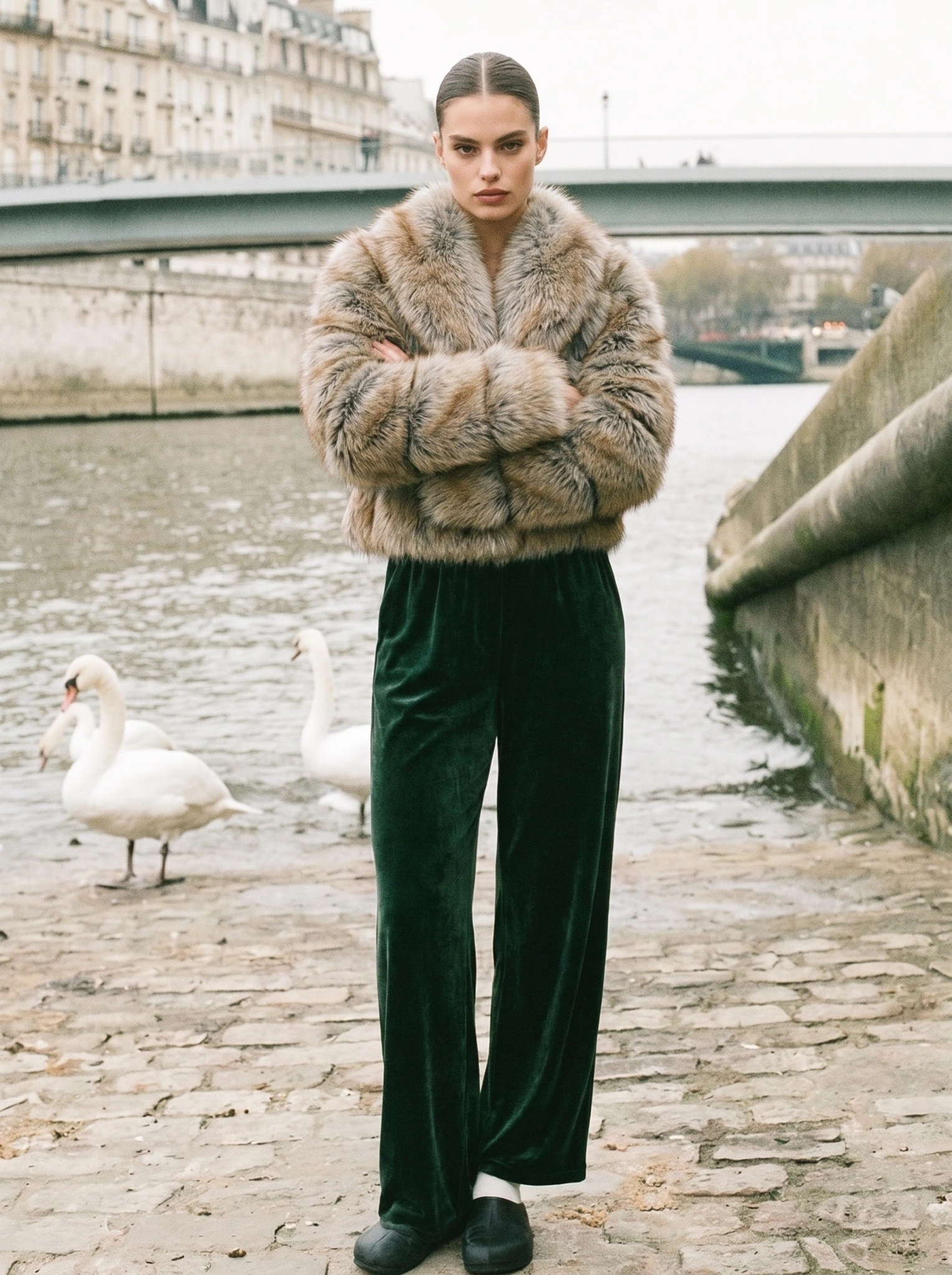
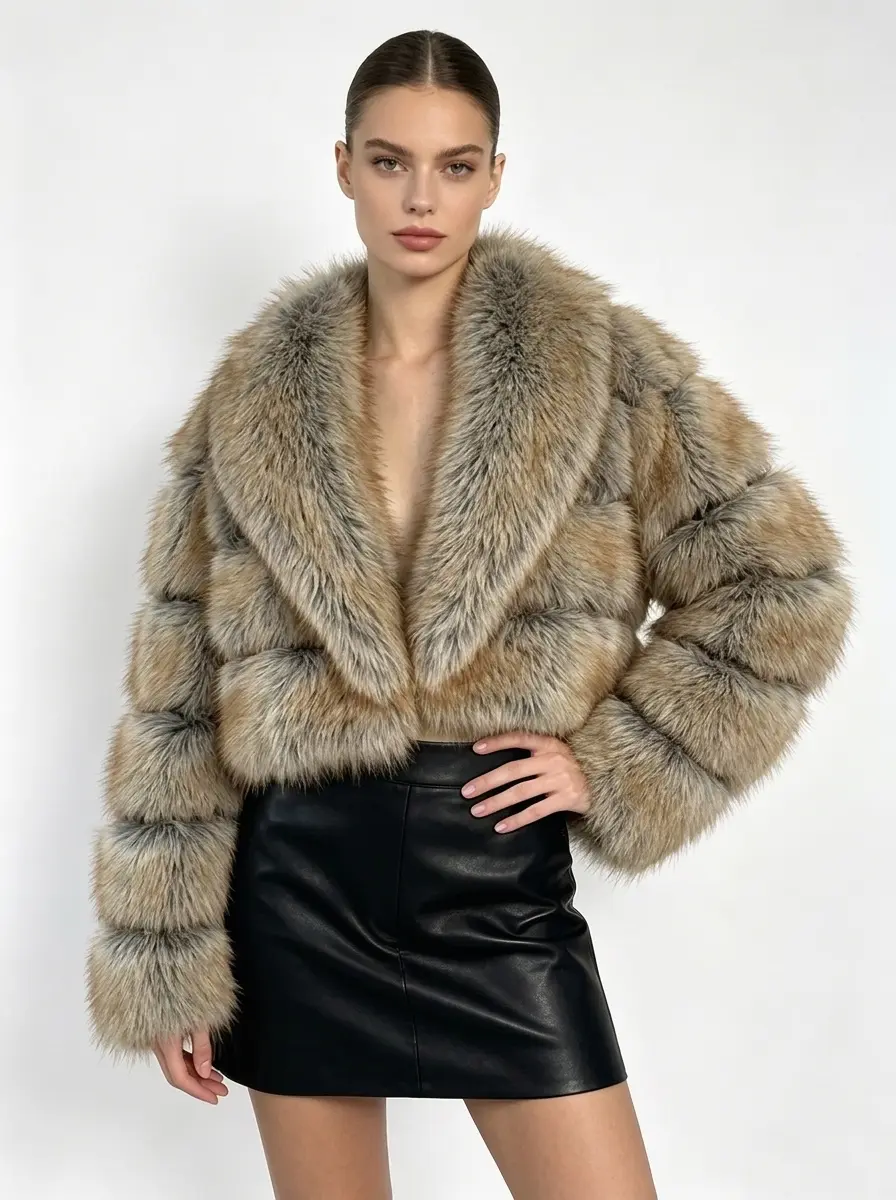
A cropped faux fur coat keeps most of its volume above the hip. This makes the waist and the line of the legs easier to see, particularly with high-rise jeans, trousers or a skirt. It is one reason cropped jackets appear so often in petite outerwear recommendations.
The word cropped still leaves plenty of room for variation. One jacket may stop at the natural waist. Another may reach the upper hip and look more like a conventional short coat. Check the back length against your own torso instead of relying on the product name.
Stanetco’s short faux fur coat collection is the most relevant place to compare these silhouettes. On the current Cream Cropped Faux Fur Coat size chart, the back length runs from 24.02 inches in size S to 25.59 inches in XL. Across the same size range, the listed sleeve runs from 21.65 to 23.03 inches, the shoulder from 20.87 to 22.24 inches and the bust from 42.52 to 48.03 inches. Those numbers tell a petite shopper more than the word cropped alone.
Look at the coat from the front and side as well. A large lapel or long pile can add visual volume even when the body length is short. Stanetco’s faux fur outfit ideas can help once you have narrowed down the silhouette.
Compare the cropped and longer Stanetco coats
Petite shoppers can wear a longer coat when the shoulders and sleeves fit and the hem lands where expected. The product name still needs a measurement beside it. One retailer’s long coat may be another retailer’s upper-thigh coat.
Start by checking where the coat ends on the model, then compare the model’s listed height with your own if the retailer provides it. The same coat may sit lower on a shorter wearer. Product photography gives you a starting point, while garment length makes the comparison more reliable.
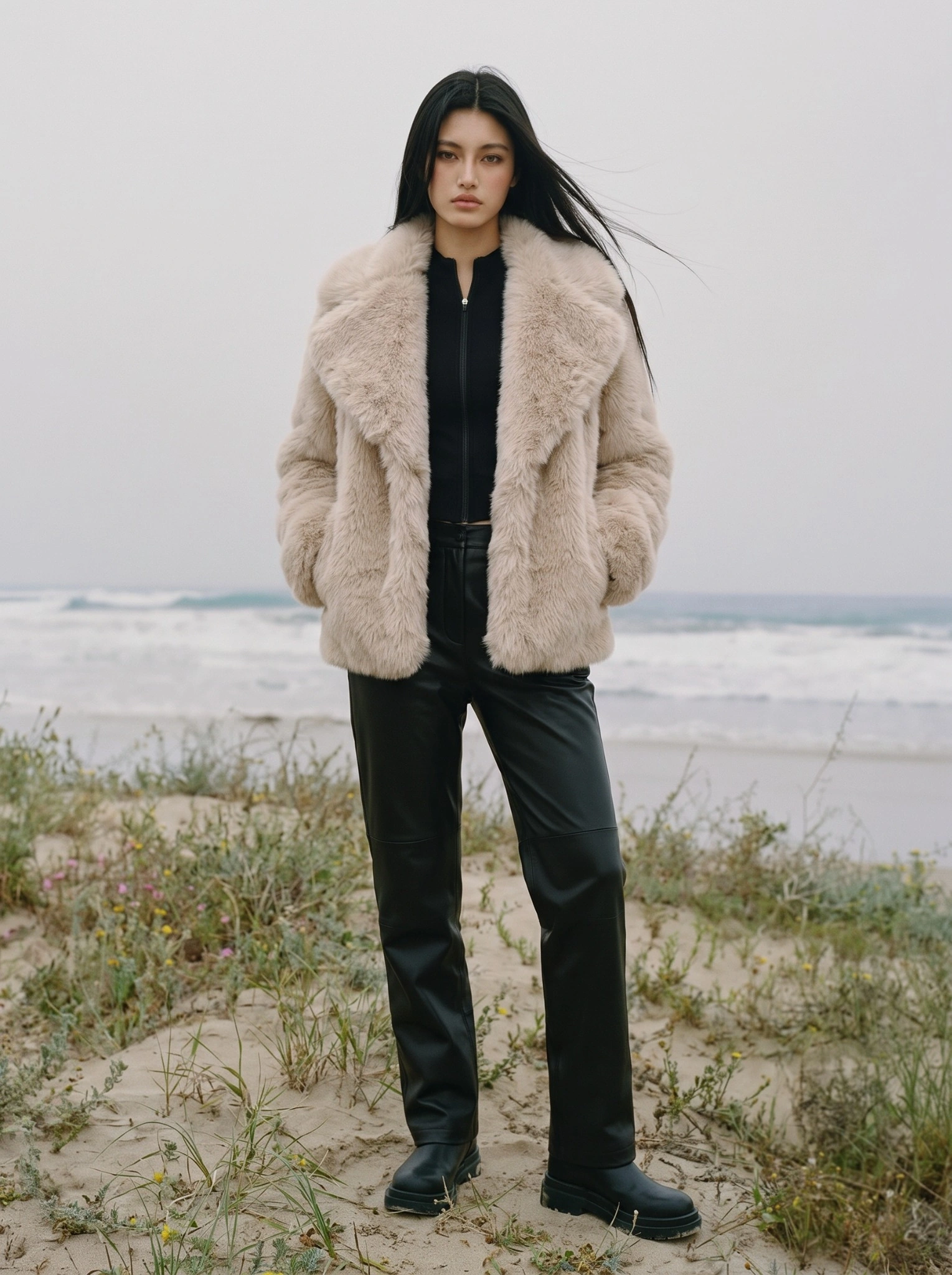
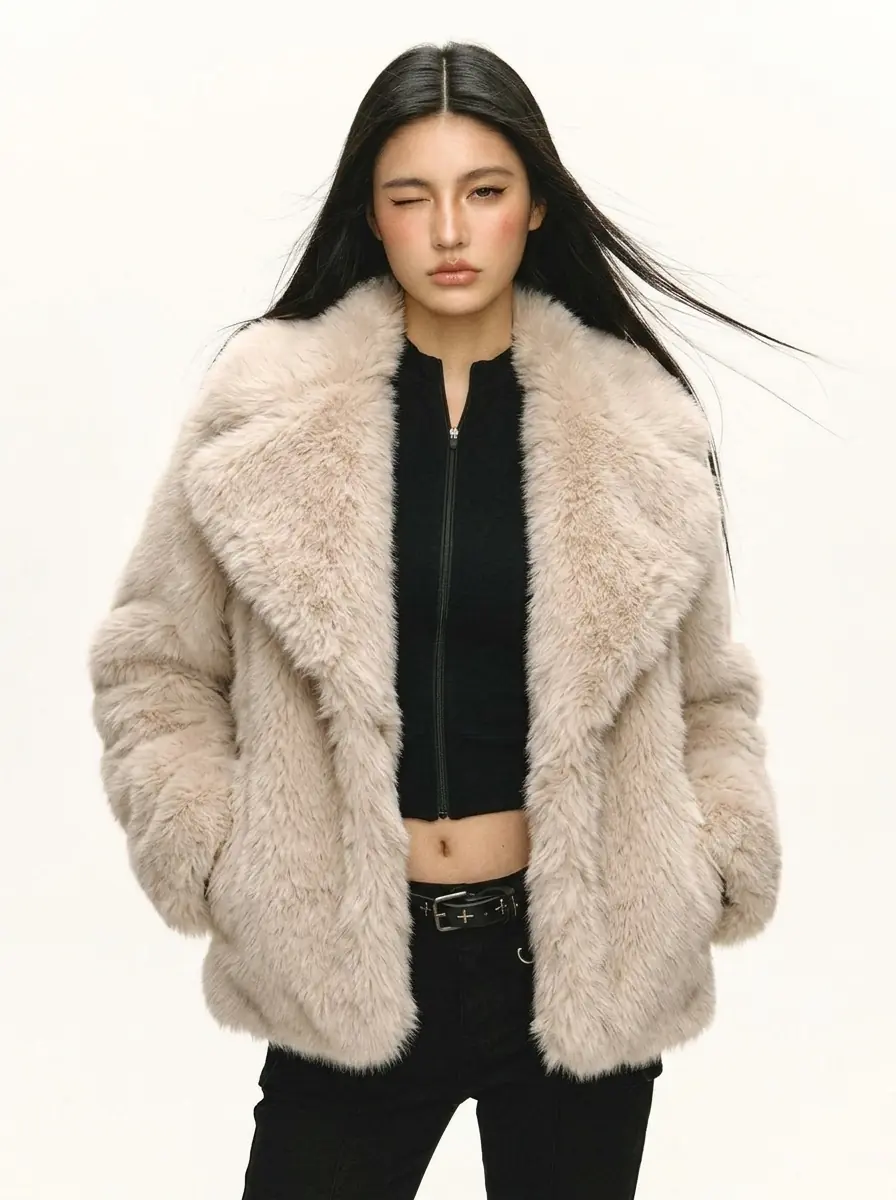
The Long Brown Faux Fur Coat currently measures 28.35 inches in size S and 29.53 inches in XL. Across sizes S through XL, its listed shoulder runs from 22.44 to 23.62 inches, the bust from 44.09 to 48.82 inches and the sleeve from 20.87 to 22.05 inches. Set beside the Cream Cropped Faux Fur Coat, its body is about four inches longer, depending on size. It remains much shorter than a typical mid-calf or ankle-length coat. This is why the number on the size chart matters more than the category name.
The long faux fur coat collection lets shoppers compare the available longer silhouettes. A short jacket leaves more of the outfit visible and works easily with high-waisted separates. A longer coat gives more coverage and changes more of the outfit’s overall line.
Faux fur adds volume in its own way
Two coats with identical measurements can sit differently when one has a longer or denser pile. Long fibers extend beyond the fabric backing and soften the outline of the shoulder, waist and sleeve. A shorter pile tends to show the underlying cut more clearly.
That does not make one pile length better for petite women. It changes what you need to inspect. With a shaggy coat, check the side view and the space around the collar. With a smoother coat, pay closer attention to the seams and the way the body is shaped. Color can affect the visual impression as well, though it cannot correct a shoulder or sleeve that fits poorly.
For a broader look at pile, lining and construction, Stanetco’s faux fur coat buying guide explains what to examine beyond length and color.
Decide how much room you need underneath
Faux fur coats are often worn over different layers throughout the season. Think about the thickest layer you realistically plan to use. If the coat is mainly for dinners and events, a fitted knit or dress may be enough. An everyday winter coat may need to close over a sweater.
Try to preserve movement as well as circumference. A coat can measure wide enough across the chest and still feel restrictive through the armholes or upper back. If you are between sizes, compare the garment measurements and the intended fit. A relaxed style already includes extra room. A closer cut may need more allowance for winter layers.
Avoid sizing down solely because faux fur looks full in a photograph. The pile creates some of that fullness. A smaller size may shorten the body, but it also reduces space through the shoulders and chest.
Check these details before ordering
Before choosing a petite faux fur coat or jacket, confirm the following points on the product page.
- The garment bust or chest measurement uses a method you understand.
- The shoulder and sleeve measurements suit your frame and expected layers.
- The back length will place the hem where you want it.
- The closure sits flat without pulling across the chest.
- The return terms give you enough time to check the coat indoors.
If a measurement is missing, ask the retailer before ordering. Height and usual dress size can help customer service understand the question, but measurements from a coat you already own will be more precise.
Common petite fit questions
Should petite women size down in a faux fur coat?
There is no universal reason to size down. Use the product’s garment measurements, intended fit and the layers you plan to wear. Sizing down can shorten the sleeves and body, though it also reduces room across the shoulders, chest and upper back.
Is a cropped faux fur coat always more flattering?
Cropped coats make it easier to show the waist and leg line. A well-fitted long coat can also look balanced on a petite frame. Shoulder fit, sleeve length, hem placement and pile volume all affect the result.
Does petite mean the same thing as extra small?
Petite refers to proportion, especially vertical measurements. Extra small generally describes circumference within a regular size range. Petite ranges can include several numeric and letter sizes.
How long should a coat be on a petite woman?
There is no single correct length. Cropped, knee-length, mid-calf and longer coats can all work. Check where the hem falls on your body, whether you can move comfortably and whether the coat suits the way you expect to wear it.
Use the product measurements to narrow the choice, then check the coat indoors with the layers you expect to wear. Keep the tags attached until you have moved your arms, fastened the front and looked at the hem with your usual shoes.