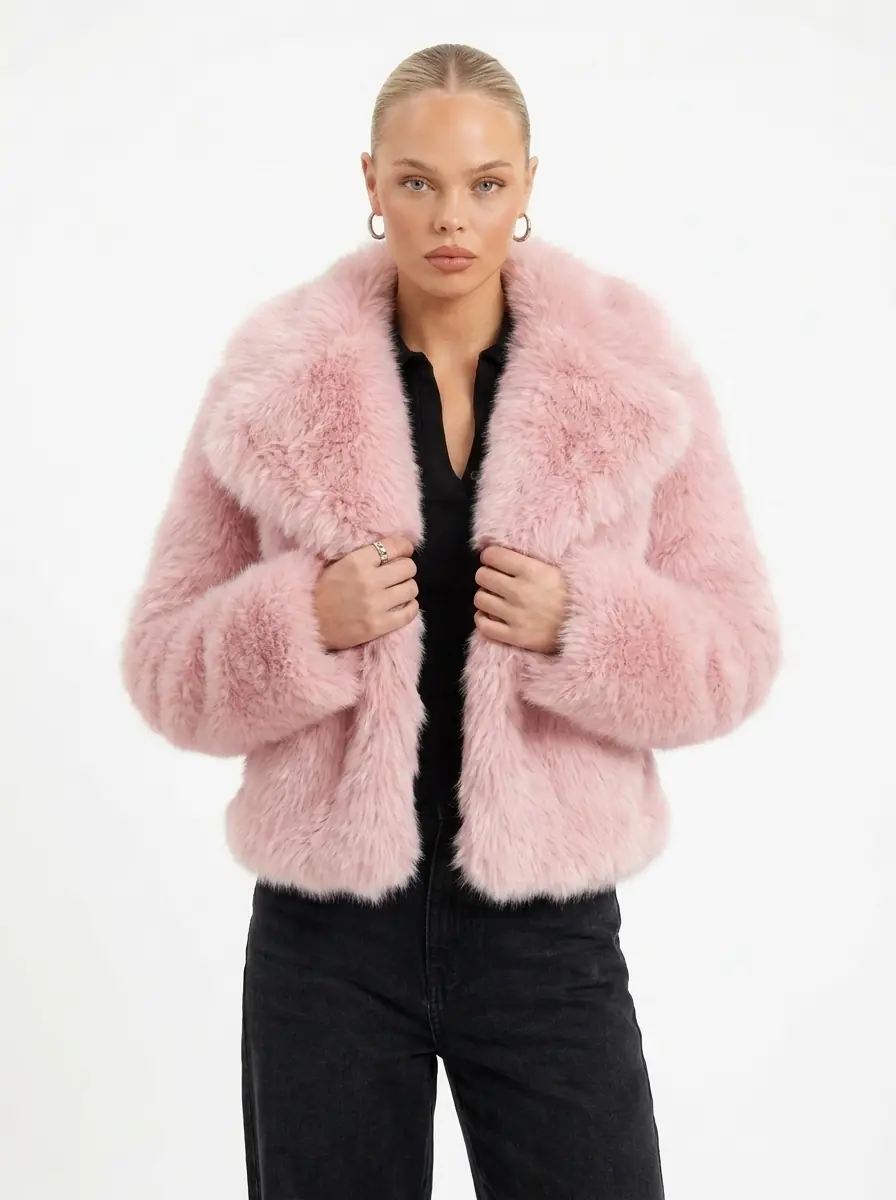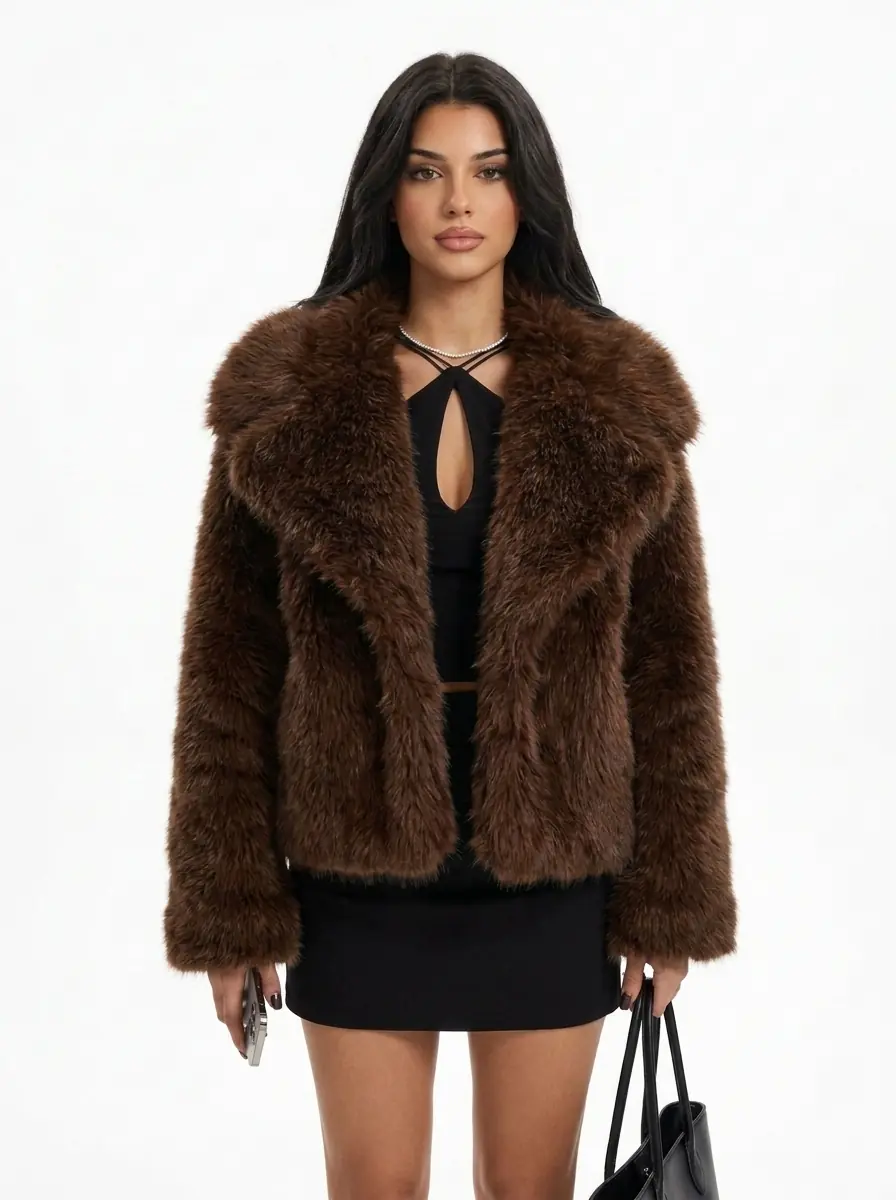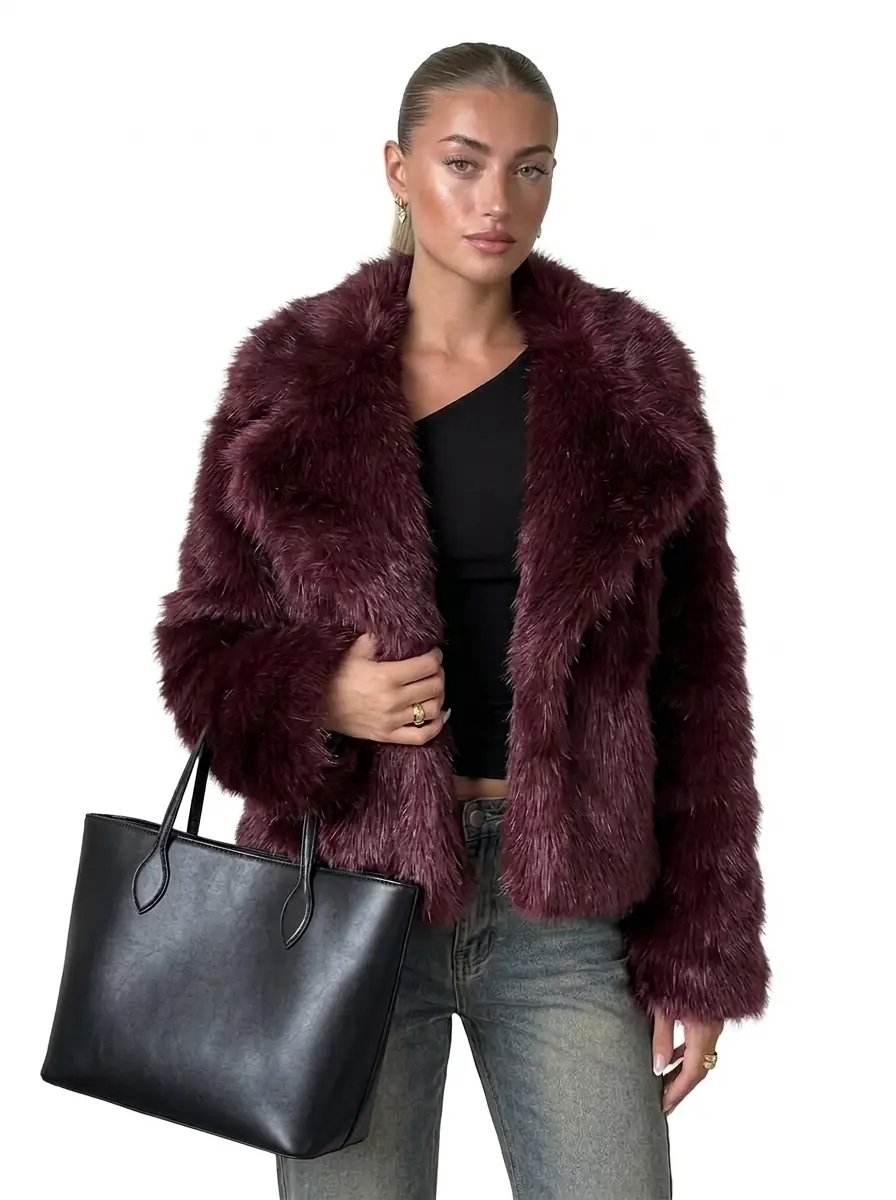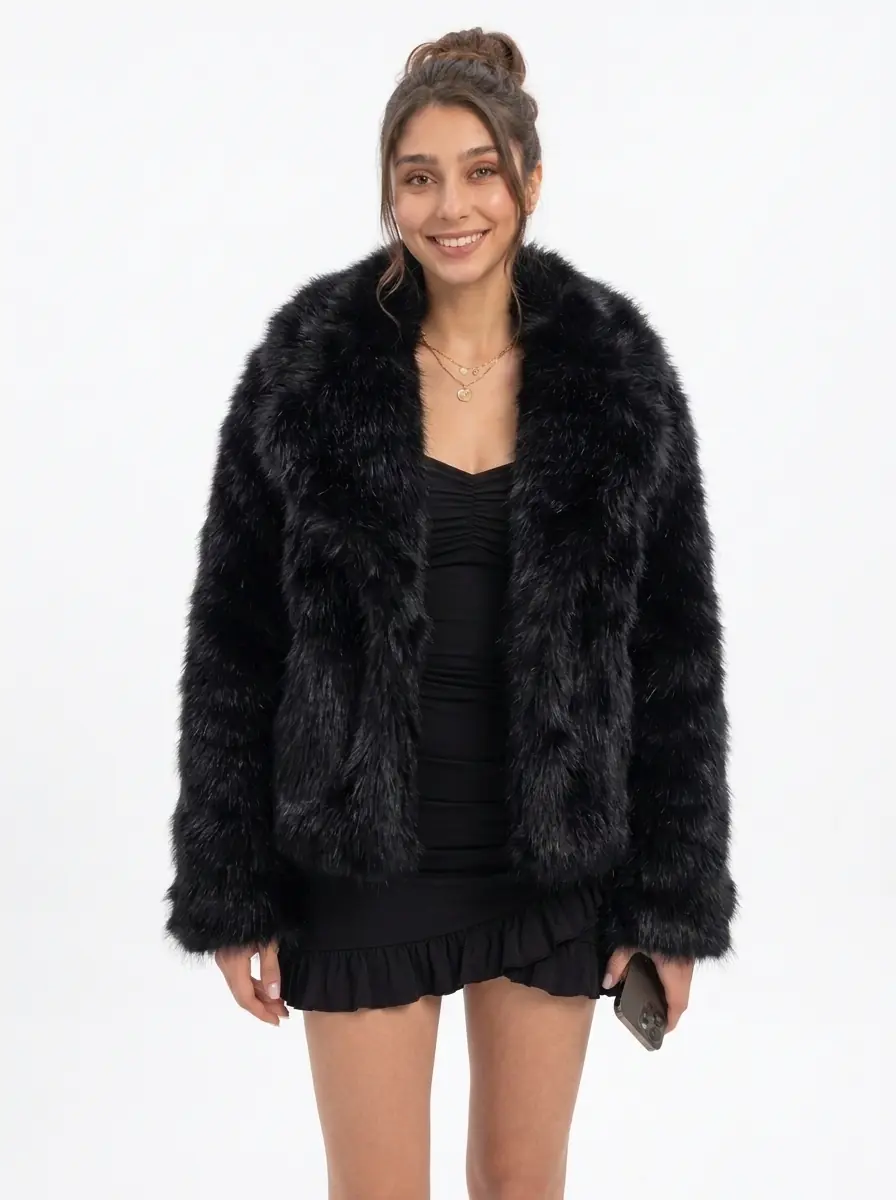
How Long Does a Faux Fur Coat Last? Signs It's Wearing Out
Short answer: There is no fixed number of years that applies to every faux fur coat. A well-made coat can remain wearable for many winter seasons when it is handled gently, cleaned according to its care label, and stored without heat or compression. Its condition is a better guide than its age.
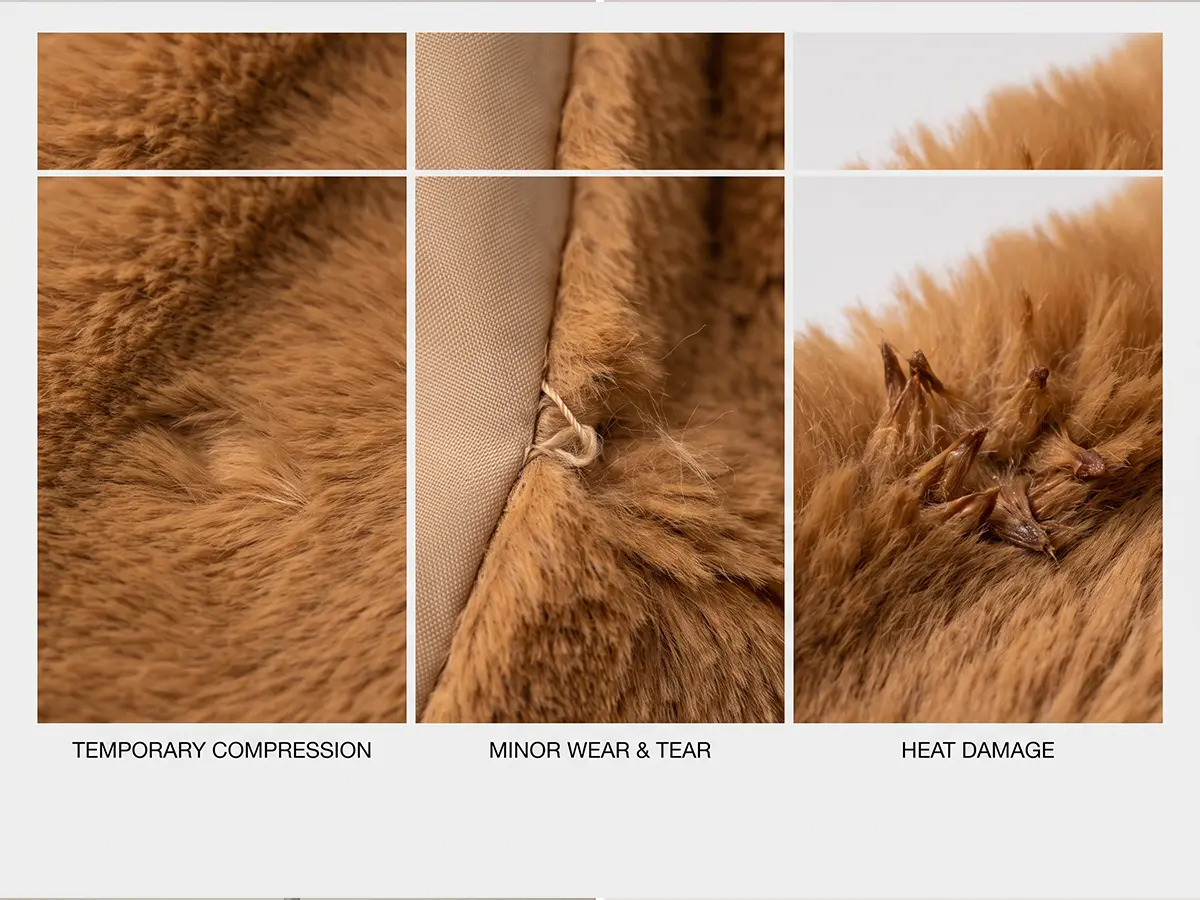
The first changes are often cosmetic rather than structural. The pile may flatten around the cuffs, collar, sides, or seat, while a hook or section of lining may need repair. Light compression and minor tangling can sometimes be improved. Heat-fused fibers, severe shedding, and a torn textile backing are much harder to reverse.
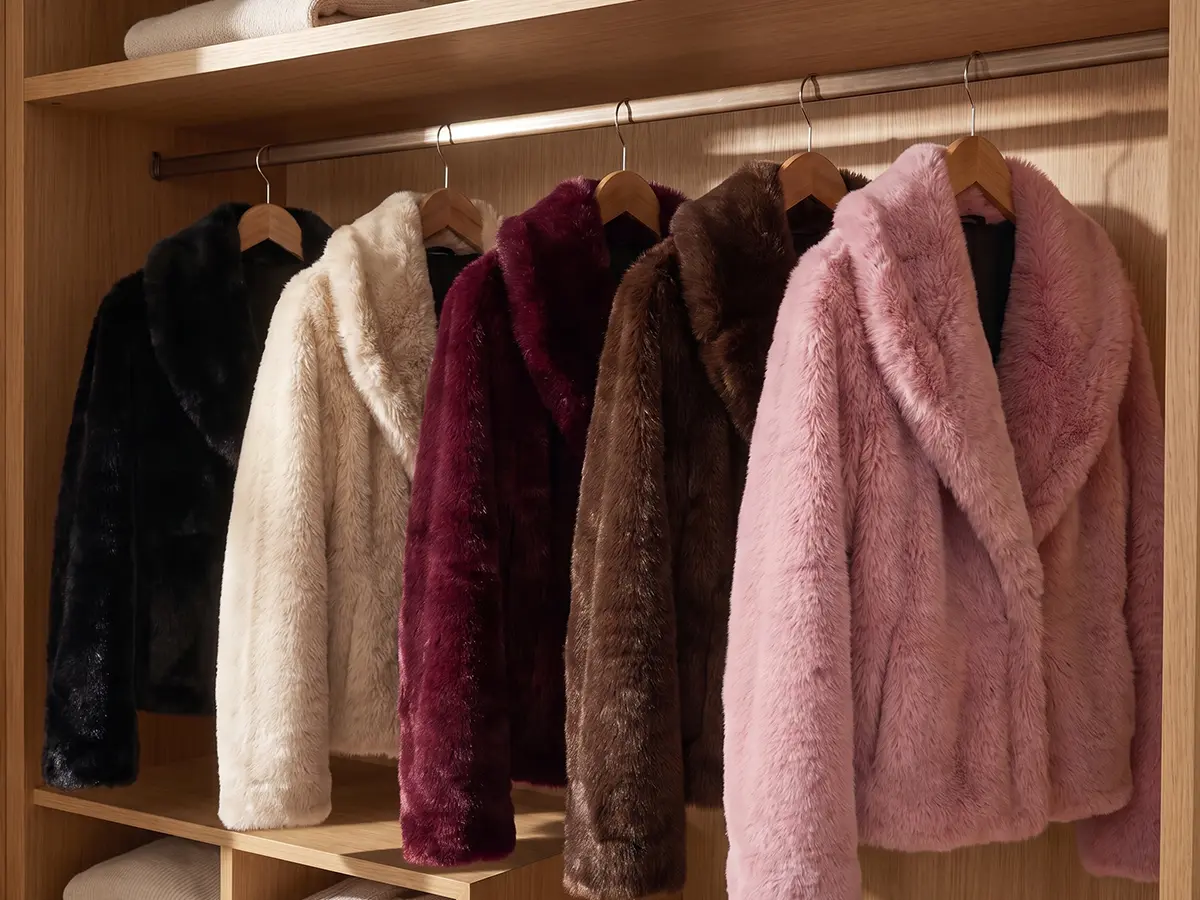
How Many Years Can a Faux Fur Coat Last?
You may see fixed lifespan estimates attached to faux fur, but they are only general estimates, not a guarantee for an individual coat. Two coats of the same age can be in very different condition depending on their materials, construction, frequency of wear, exposure to friction and heat, cleaning history, and storage.
Instead of replacing a coat because it has reached a certain birthday, inspect the pile, backing, lining, seams, and closures. A coat that still feels comfortable, holds its shape, and has securely anchored pile may remain useful even when small lining or closure repairs are needed.
What Determines a Faux Fur Coat’s Lifespan?
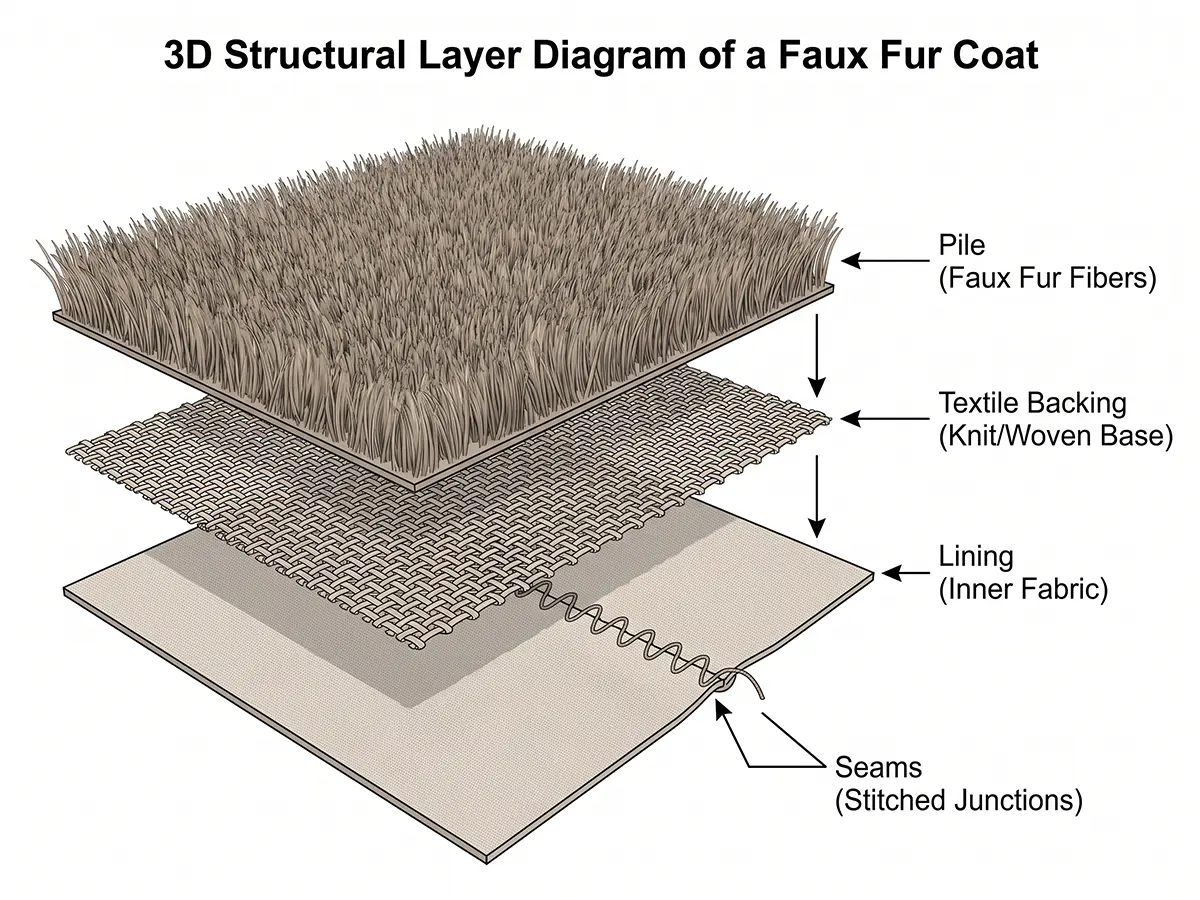
A faux fur coat is not made from one standardized material. It is a complete garment built from a raised pile, a textile backing, a lining, seams, and closures. The quality and condition of every layer affect how long the coat continues to look and feel good.
Faux Fur Fabric and Pile Density
The visible surface of faux fur fabric is called the pile. It is commonly made with manufactured fibers such as polyester or acrylic, although the exact composition varies. Fiber type alone does not determine quality. Pile density, fiber anchoring, softness, recovery, and the evenness of the surface also matter.
A dense, evenly finished pile may disguise normal movement and minor flattening better than sparse material that readily exposes its backing. However, a longer or fluffier pile is not automatically more durable. Long fibers can tangle and experience more contact, while short pile can still become polished or flattened in high-friction areas.
If you want a fuller explanation of pile, backing, lining, and common fiber types, read Stanetco’s guide to what a faux fur coat is and how it is made.
Backing, Lining, Seams, and Closures
The backing holds the pile and gives the outer fabric its structure. The lining helps the coat slide over clothing and reduces direct friction against interior seams. Secure seams and well-attached hooks, snaps, or buttons also influence how the garment handles repeated wear.
This is why softness alone is not a reliable measure of durability. A synthetic fur jacket may feel luxurious at first touch, but long-term performance also depends on details hidden beneath the pile. When inspecting a coat, look for an even surface, a lining that lies flat, secure closures, and seams that do not pull apart during normal movement.
How Often and Where You Wear It
A coat worn several days each week will accumulate more friction and exposure than one reserved for occasional evenings. Commuting, driving, carrying a shoulder bag, sitting for long periods, and brushing against rough surfaces can concentrate wear in predictable places.
Check the cuffs, elbows, underarms, pocket openings, collar, sides, and seat. These areas may reveal changes before the rest of the coat. Rotating outerwear, avoiding rough bag straps, and treating small problems early can reduce repeated stress on the same sections.
Heat, Moisture, and Cleaning
Excessive heat can damage some synthetic fibers and leave the pile matted, distorted, or fused. An iron, hot dryer, radiator, or heated styling tool should never be used unless the garment manufacturer explicitly says the treatment is safe. A Good Housekeeping textiles expert similarly advised using only cool air when attempting to lift flattened faux fur because high heat can damage synthetic fibers.
Water is not automatically destructive, but a wet coat becomes heavier and needs careful handling. Rubbing, wringing, or applying heat to speed up drying may affect its texture or shape. Blot moisture gently, support the garment, and follow its attached instructions.
For clothing sold in the United States, the Federal Trade Commission’s Care Labeling Rule requires manufacturers and importers to provide instructions for regular care. That makes the label inside your coat the first source to check. A method that is appropriate for one faux fur material, lining, dye, or construction may damage another.
If your concern is fiber composition, odor, or skin sensitivity rather than ordinary wear, read Stanetco’s separate guide to whether faux fur is toxic to humans. It explains the difference between material safety questions and damage caused by improper care.
Off-Season Storage
Storage is part of garment care, not an afterthought. Long-term compression can flatten the pile and set creases. Direct light may affect color, while heat and unsuitable humidity can contribute to textile deterioration. The Canadian Conservation Institute identifies use, wear, light, temperature, humidity, dust, and pollutants among the factors that can damage textiles over time.
Before storing the coat, make sure it is clean and completely dry. Use a supportive hanger if the care label permits hanging, leave enough room around the garment to prevent crushing, and choose a cool, dry, dark area. Avoid placing a heavy coat on a narrow wire hanger or forcing it into an overcrowded closet.
Do Long and Short Faux Fur Coats Wear Differently?
Length changes where a coat encounters friction, but it does not guarantee a longer or shorter lifespan. Construction, care, and frequency of use remain more important than silhouette alone.
| Area | Long faux fur coat | Short or cropped jacket |
|---|---|---|
| Hem | May contact seats, car doors, steps, or wet ground more often. | Usually has less contact with the ground, but the waist-level hem may rub against bags or furniture. |
| Seat and sides | More fabric may be compressed while sitting. | Less lower-body coverage, although frequent everyday wear can still flatten the sides. |
| Cuffs and underarms | Regular friction remains common. | Regular friction remains common. |
| Storage | Needs enough vertical space to keep the hem from folding or resting on the floor. | Fits more easily in many closets but still needs space around the pile. |
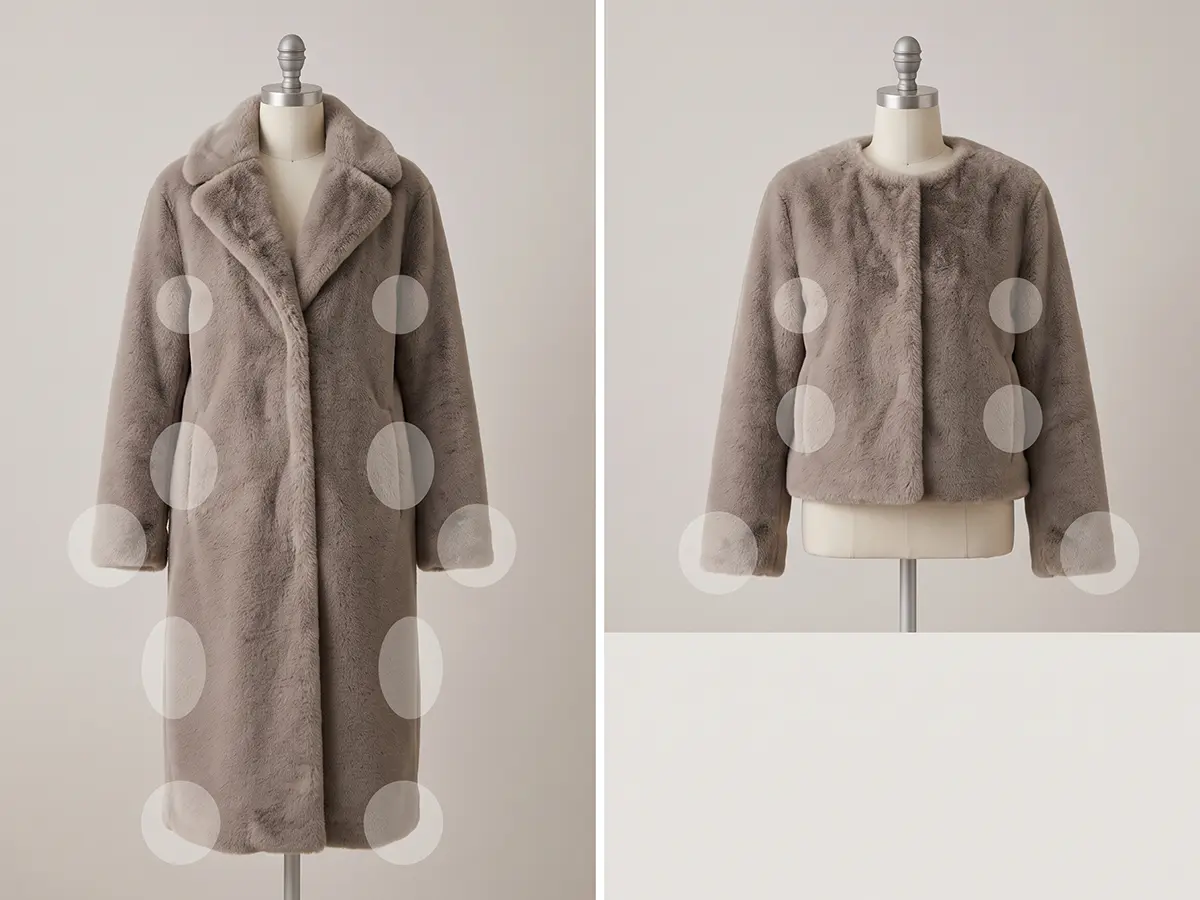
If you prefer maximum coverage, browse Stanetco women’s long faux fur coats. For a lighter proportion that works naturally with high-waisted outfits, explore the short and cropped faux fur jackets. Whichever length you choose, make sure you have enough closet space to store it without folding or compressing the pile.
Signs Your Faux Fur Coat Is Wearing Out
Age alone cannot tell you whether a coat has reached the end of its useful life. Inspect its condition instead.
Changes That May Be Manageable
- Light flattening: The pile looks compressed after storage or sitting but is not fused.
- Minor tangling: Small areas separate with extremely gentle handling permitted by the care label.
- Surface dust: The coat looks dull but has no structural damage.
- A loose hook or small lining opening: The outer fabric remains sound and the problem can be repaired before it spreads.
Cool air and careful separation may help some lightly matted faux fur recover, but test any method on an inconspicuous area first. Never treat a viral cleaning hack as universal guidance.
Changes That Need Professional Assessment
- Persistent or concentrated shedding that exposes the backing.
- Seams pulling apart beneath the pile.
- A lining tear that places strain on the outer shell.
- Large matted sections that do not improve with safe, gentle handling.
- Odor or staining that remains after care allowed by the label.
Damage That May Be Permanent
Fused or hardened fibers caused by high heat are unlikely to return to their original texture. A badly torn backing, widespread pile loss, or extensive distortion can also make repair impractical. Ask a cleaner or alteration specialist familiar with faux fur to assess a valued coat before discarding it.
How to Make a Faux Fur Coat Last Longer
- Read the care label before cleaning. Do this even if you have successfully washed another faux fur item.
- Let the coat recover after wear. Gently shake it and allow it to air in a cool, dry space before returning it to the closet.
- Address small marks early. Blot rather than scrub, and use only a treatment allowed by the manufacturer.
- Keep it away from high heat. Do not iron the pile or place it against a radiator. Avoid hot dryers unless the label specifically permits one.
- Reduce repeated friction. Alternate the shoulder used for a bag, watch for rough straps, and avoid dragging a long hem across the ground.
- Support its shape. Use an appropriately wide or padded hanger when hanging is permitted.
- Give the pile room. Do not compress the coat under heavier garments or seal it tightly for long periods.
- Store it completely dry. Trapped moisture and poor ventilation can create additional problems.
- Repair small faults promptly. A loose closure or lining seam is easier to fix before it places stress on surrounding fabric.
When Should You Repair or Replace the Coat?
Repair is worth considering when the pile remains securely attached and the main problem is a closure, lining seam, small tear, or localized flattening. Replacement becomes more reasonable when the backing is failing across several areas, shedding is extensive, heat damage has fused a large section, or the coat no longer fits your needs.
Cost is only one part of the decision. Consider whether the repair will restore comfortable wear, whether the same problem is likely to spread, and whether you will continue using the coat. A cared-for piece that you wear repeatedly offers more practical value than a replacement that rarely leaves the closet.
Frequently Asked Questions
How Many Years Does a Faux Fur Coat Last?
There is no reliable number that applies to every coat. A well-constructed faux fur coat can remain wearable for many seasons, but its useful life depends on pile anchoring, backing and seam quality, frequency of wear, friction, heat exposure, cleaning, and storage. Judge the coat by its condition rather than age alone.
Does Faux Fur Deteriorate Over Time?
Yes. Like other textiles, faux fur changes through wear and environmental exposure. The pile may flatten or tangle, while the backing, lining, seams, and closures can weaken. Good care can slow these changes but cannot stop ordinary aging completely.
Does Faux Fur Shed More as It Gets Older?
It can, but age is not the only cause. Loose fibers may also result from poor pile anchoring, friction, damaged backing, or aggressive cleaning. A small amount of loose fiber is different from continuous shedding that exposes the base fabric.
Can Matted Faux Fur Be Restored?
Light compression or tangling may improve with cool air and extremely gentle separation if the care label allows it. Heat-fused fibers are different and may be permanently damaged. Test cautiously and consult a specialist for a valuable garment.
Does a Long Faux Fur Coat Wear Out Faster?
Not automatically. A full-length faux fur coat has a larger hem and more fabric that may contact seats or the ground, but a frequently worn cropped jacket can accumulate just as much wear at its cuffs, sides, and underarms. Construction and use matter more than length by itself.
Should Faux Fur Be Dry-Cleaned?
Only when the garment’s care label calls for professional dry cleaning. Faux fur coats vary in fiber content, backing, lining, dye, and trim. Tell the cleaner that the garment is faux fur and confirm that the business has experience with synthetic pile fabrics.
Can Heat Permanently Damage Faux Fur?
Yes. High heat can distort, harden, or fuse some synthetic fibers. Keep the coat away from irons, hot dryers, radiators, and heated styling tools unless its manufacturer specifically authorizes the treatment.
The Bottom Line
How long will a faux fur coat last? Its condition matters more than a fixed number of years. Material quality, construction, wear frequency, friction, cleaning, heat exposure, and storage all shape its useful life. Check the pile, backing, lining, seams, and closures at the end of each season, repair small problems early, and always follow the coat’s own care label.

When you choose a silhouette that fits your routine and care for it consistently, a faux fur coat can remain a useful part of your winter wardrobe for many seasons.
Related reading: Learn what a faux fur coat is made of, or see our guide to styling a faux fur coat for winter.